How Many Types of Forklifts? A Complete Forklift Classification Guide
Forklifts are among the most widely used material handling equipment in warehouses, factories, ports, construction sites, and logistics centers worldwide.
When people ask "How many types of forklifts are there?", the answer depends on the classification standard being used. Regulatory organizations such as OSHA classify forklifts according to their power source and safety characteristics, while manufacturers and end users often classify forklifts based on fuel type, structure, application, and drive system.
In this guide, we'll first explain the OSHA forklift classification system and then introduce a more practical industry classification method that reflects how forklifts are commonly categorized in real-world operations.
OSHA Forklift Classification
The Occupational Safety and Health Administration (OSHA) in the United States classifies powered industrial trucks into seven categories. These classifications are primarily based on: Fuel type, Power source, Explosion protection level and Operating environment.
The seven OSHA classes include:
| OSHA Class | Description |
|---|---|
| Class I | Electric Motor Rider Trucks |
| Class II | Electric Motor Narrow Aisle Trucks |
| Class III | Electric Motor Hand Trucks |
| Class IV | Internal Combustion Cushion Tire Trucks |
| Class V | Internal Combustion Pneumatic Tire Trucks |
| Class VI | Electric and Internal Combustion Tow Tractors |
| Class VII | Rough Terrain Forklift Trucks |
Although OSHA's classification is useful for workplace safety management and operator training, it is not always the most practical way for buyers to understand the forklift market.
For example, OSHA does not directly distinguish between reach trucks, stackers, diesel forklifts, or container handlers—the categories most customers encounter when purchasing forklifts.
Therefore, from a manufacturer's and user's perspective, a more practical classification method is often preferred.
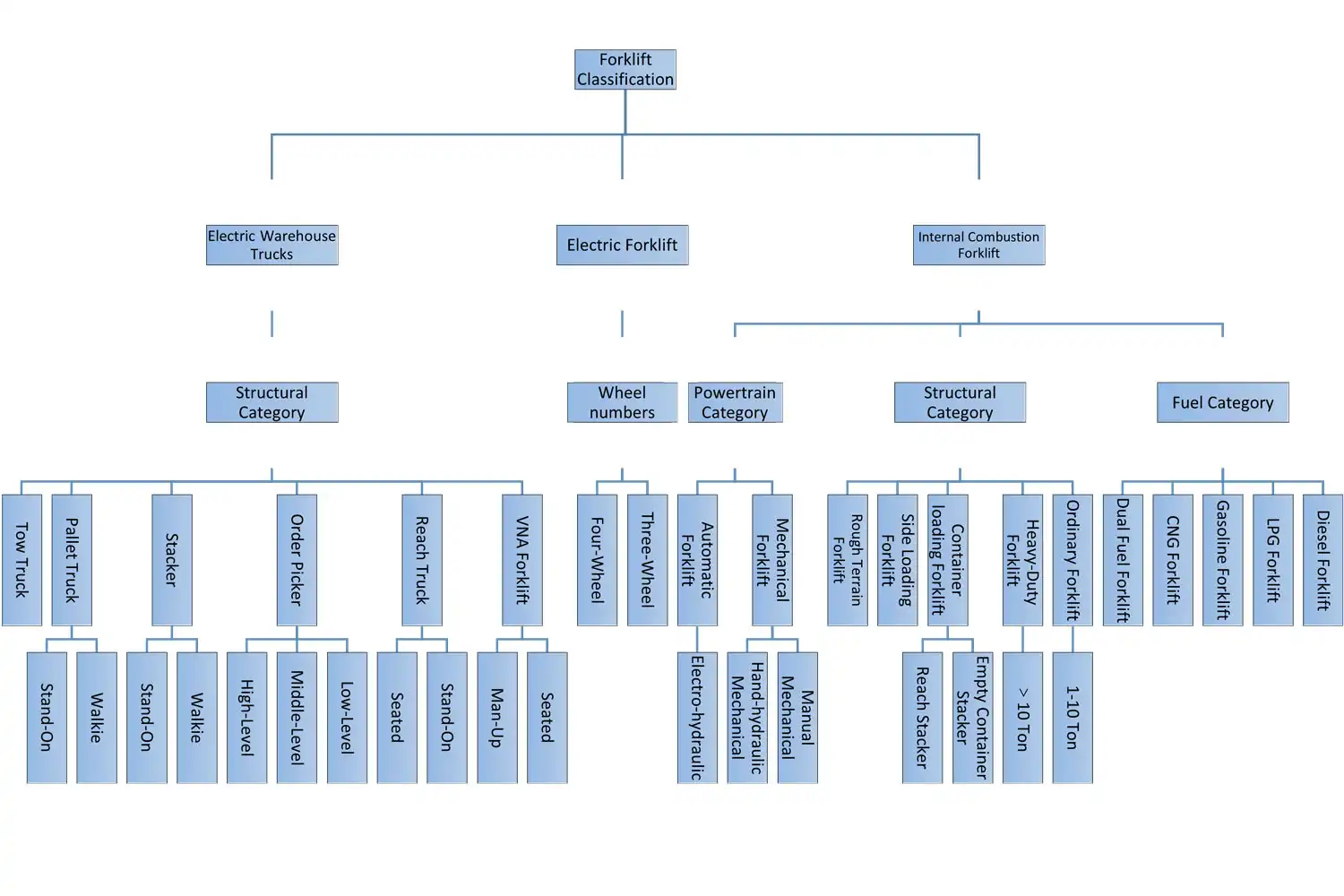
A Practical Forklift Classification System
Forklifts can generally be divided into three major categories:
·Internal Combustion Forklift
·Electric Forklift
·Electric Warehouse Trucks
Internal Combustion Forklifts
Internal combustion forklifts are powered by fuel-burning engines and are widely used in outdoor applications, heavy-duty operations, ports, construction sites, and manufacturing facilities.
They can be classified from several perspectives.
By Fuel Catagory:
Diesel Forklift 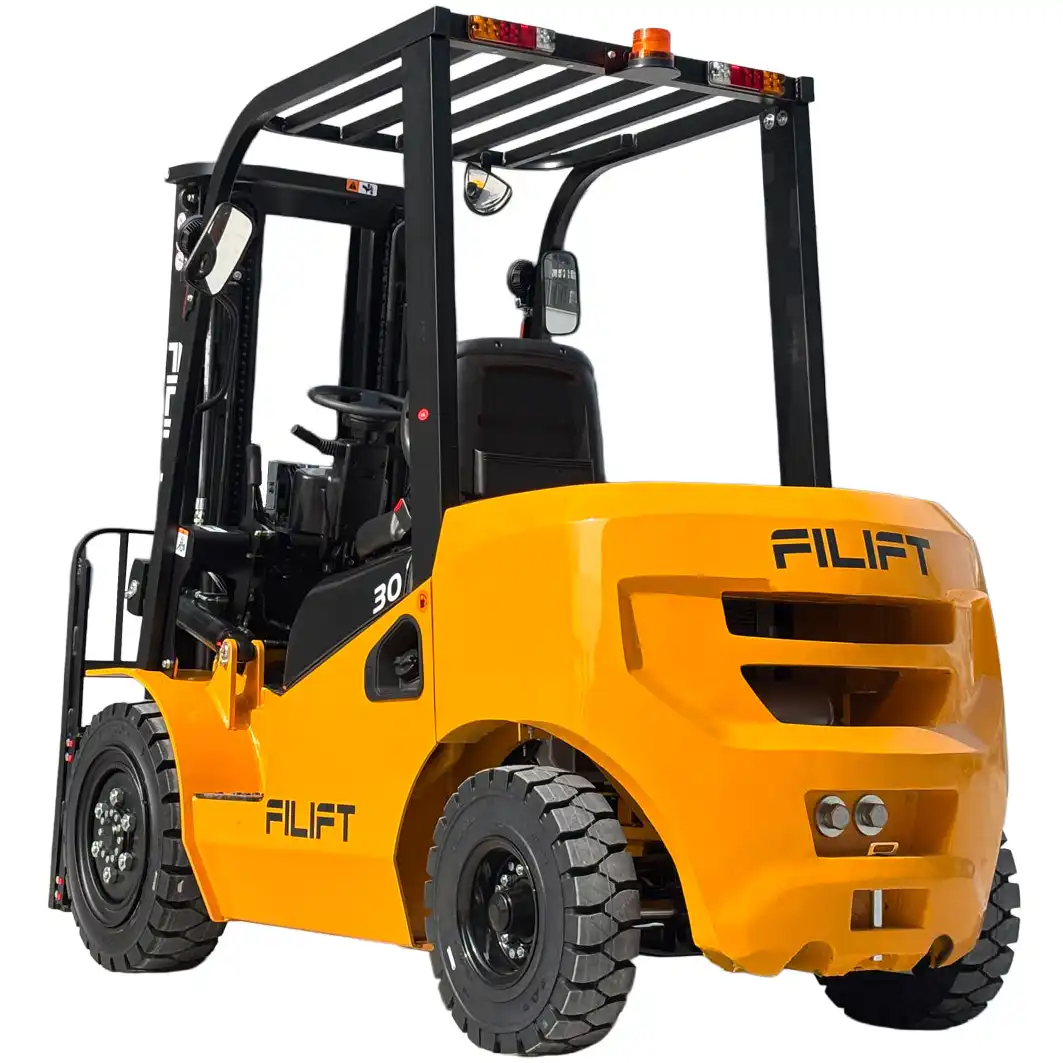
The most common forklift type for outdoor operations and heavy loads.
LPG Forklift
Cleaner emissions and suitable for both indoor and outdoor applications.
Gasoline Forklift
Less common today but still used in some regions.
CNG Forklift
Uses compressed natural gas for reduced emissions.
Dual Fuel Forklift
Can operate on gasoline and LPG.
By Structural Category: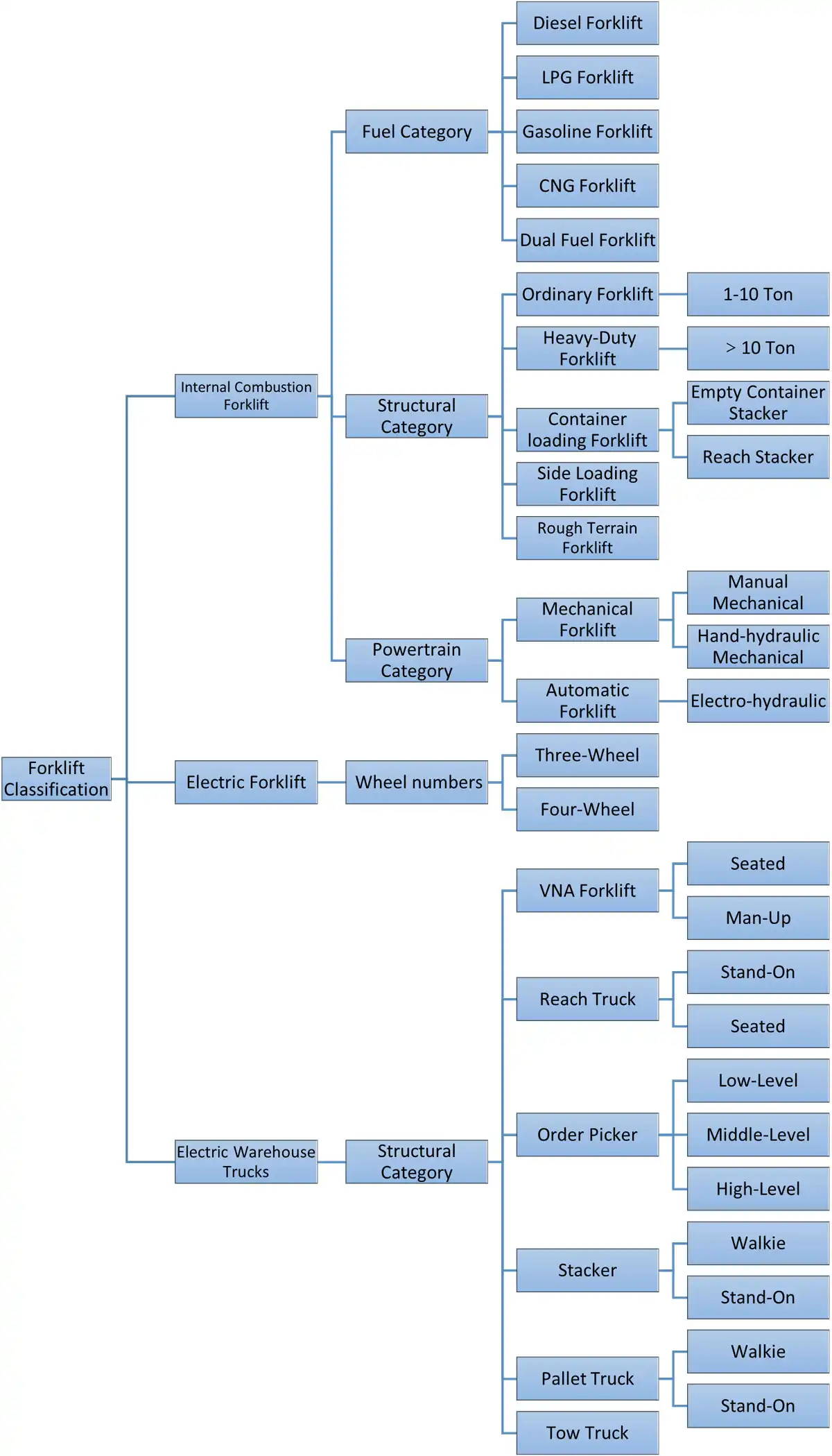
Ordinary Forklift (1–10 Ton)
The standard counterbalance forklift used in most industries.
Heavy-Duty Forklift (>10 Ton)
Designed for steel mills, ports, stone yards, and heavy industries.
Container Handling Forklift
Specialized forklifts designed for container operations.
Common examples include:
·Empty Container Handler
·Reach Stacker
Side Loader Forklift
Designed to transport long materials such as pipes, timber, and steel profiles.
Rough Terrain Forklift
Rough terrain forklifts are specially designed for operation on uneven, muddy, gravel, or unpaved surfaces where conventional forklifts cannot work efficiently.
They are commonly used in:
·Construction sites
·Mining operations
·Lumber yards
·Agriculture
Outdoor material handling applications
Compared with standard counterbalance forklifts, rough terrain forklifts feature:
·Large pneumatic tires
·Higher ground clearance
·Stronger traction
·Enhanced stability on rough surfaces
Most rough terrain forklifts are powered by diesel engines and are built to handle demanding outdoor environments.
By Powertrain Category:
Mechanical Forklift
Traditional transmission systems commonly found in smaller forklifts.
Subcategories:
·Manual Mechanical
·Hand-Hydraulic Mechanical
Automatic Forklift
More comfortable and easier to operate.
Subcategory:
·Electro-Hydraulic Transmission
Electric Forklifts
Electric forklifts are increasingly replacing internal combustion forklifts due to their lower emissions, lower maintenance costs, and quieter operation.
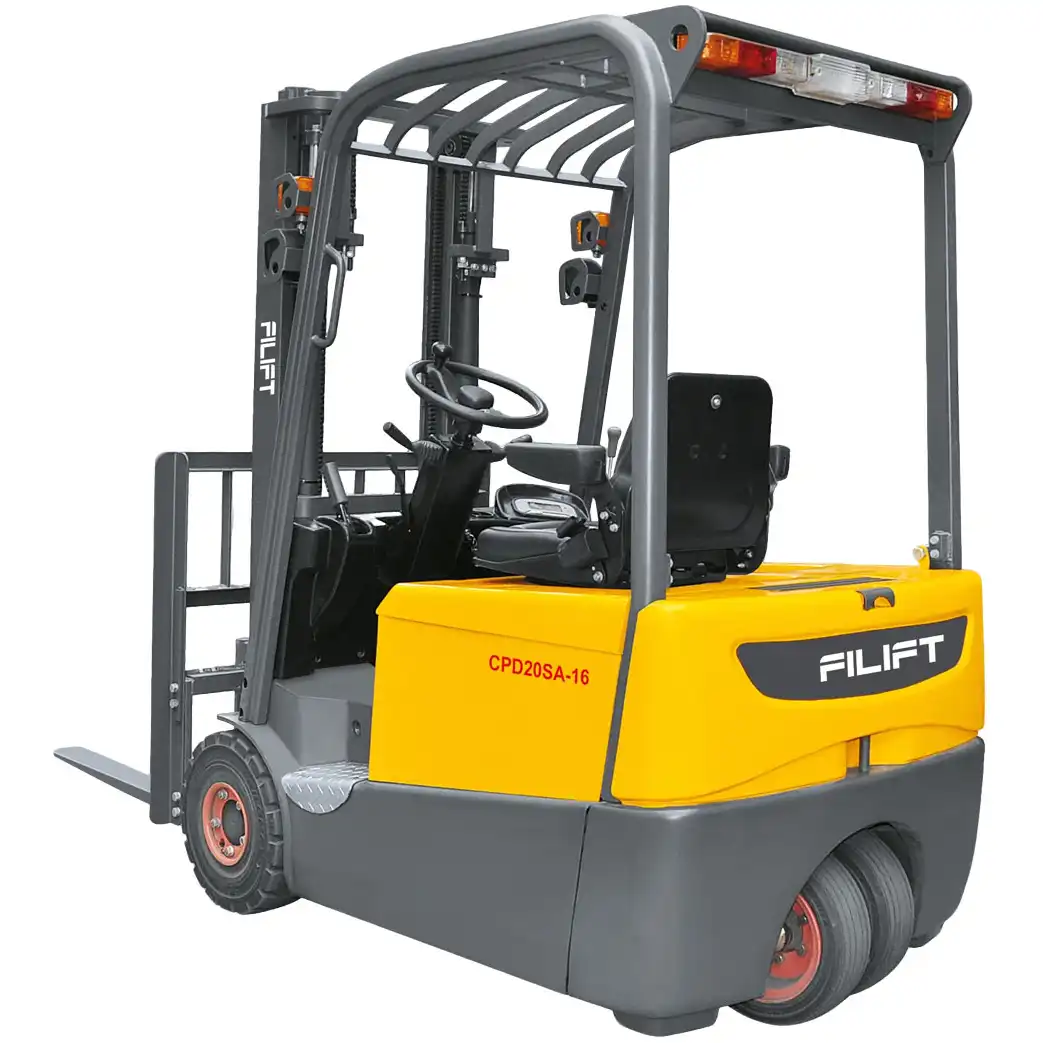
By Wheel Configuration
Three-Wheel Electric Forklift
·Smaller turning radius
·Ideal for confined spaces
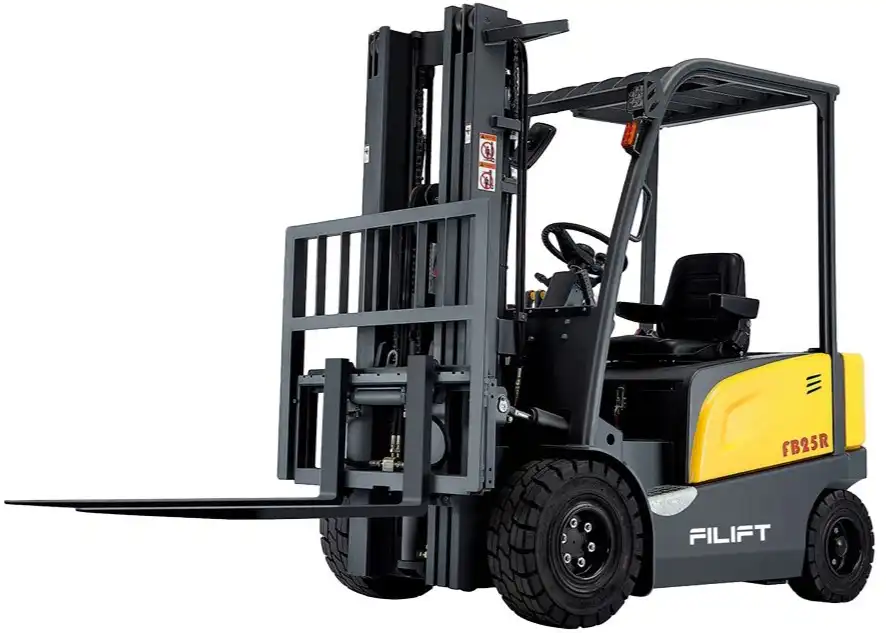
Four-Wheel Electric Forklift
·Better stability
·Suitable for heavier loads
Electric Warehouse Trucks
Warehouse trucks are designed primarily for indoor logistics and high-density storage applications.
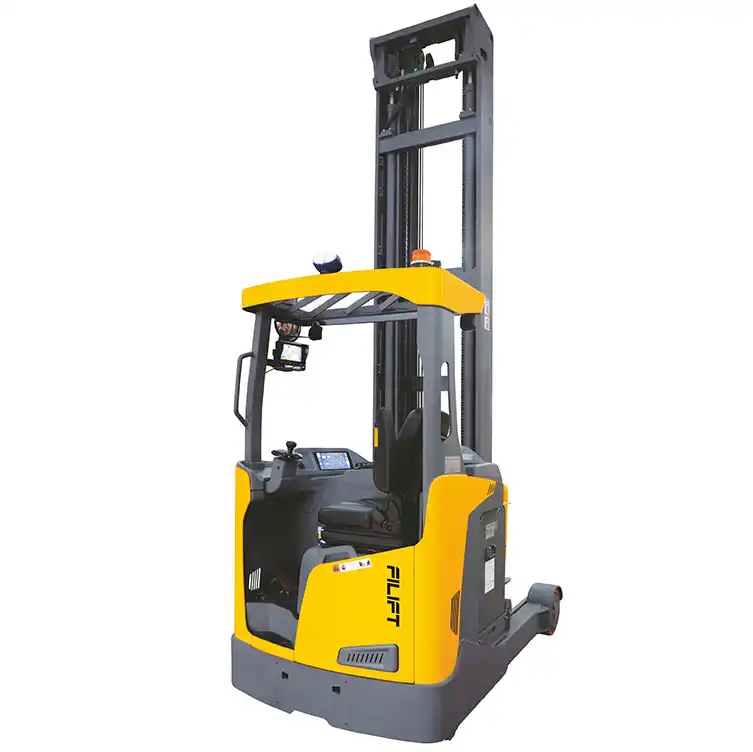
Reach Trucks
Reach trucks are ideal for high-rack storage systems.
Types include:
·Stand-On Reach Truck
·Seated Reach Truck
VNA Forklifts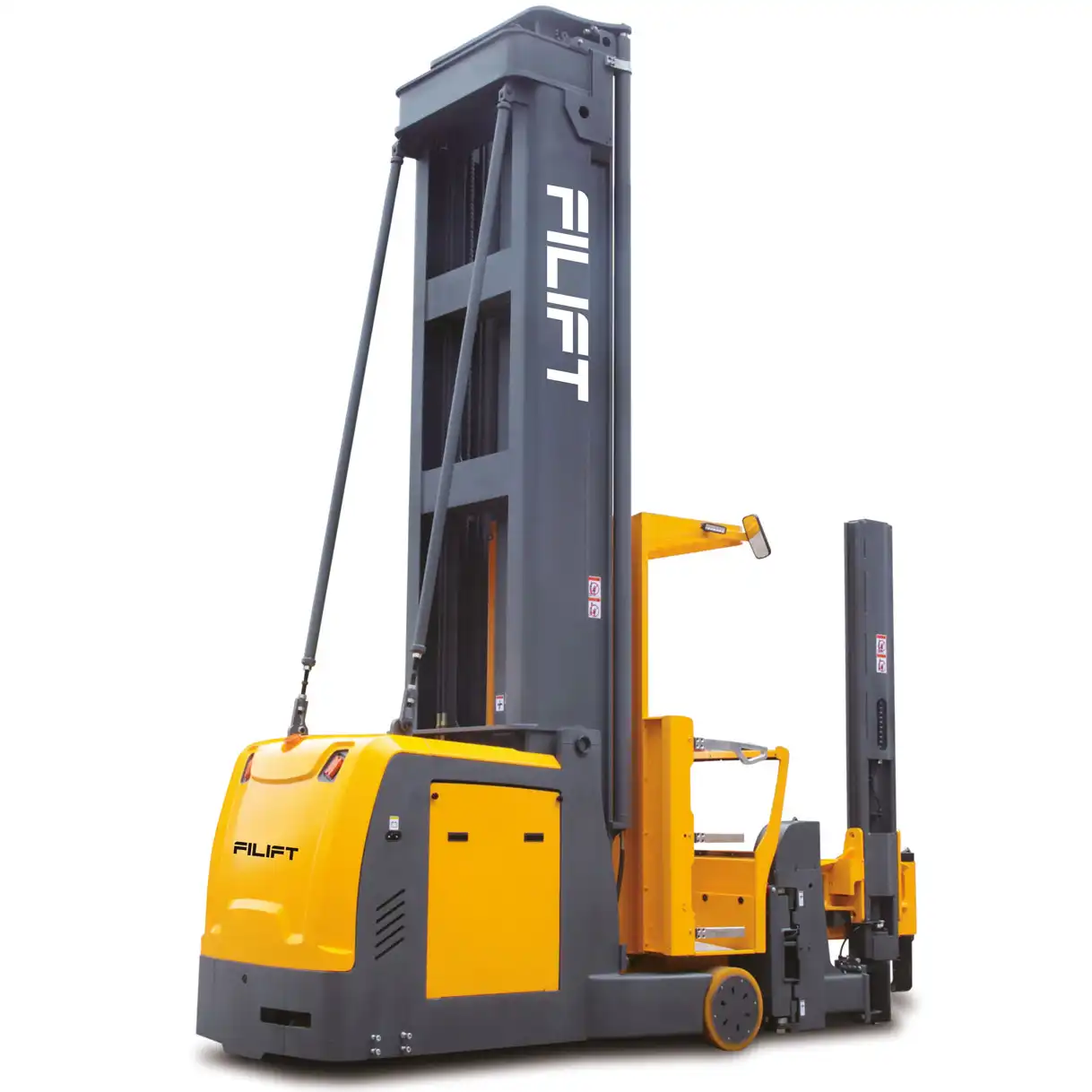
Very Narrow Aisle forklifts maximize warehouse storage density.
Types include:
·Seated VNA Truck
·Man-Up VNA Truck
Order Pickers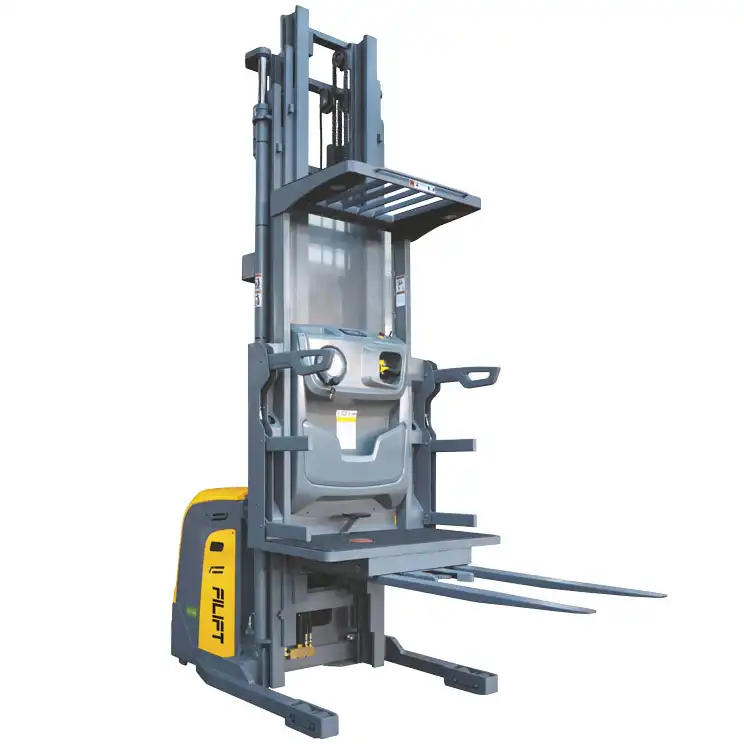
Order pickers are designed for picking goods directly from storage racks.
Types include:
·Low-Level Order Picker
·Mid-Level Order Picker
·High-Level Order Picker
Stackers
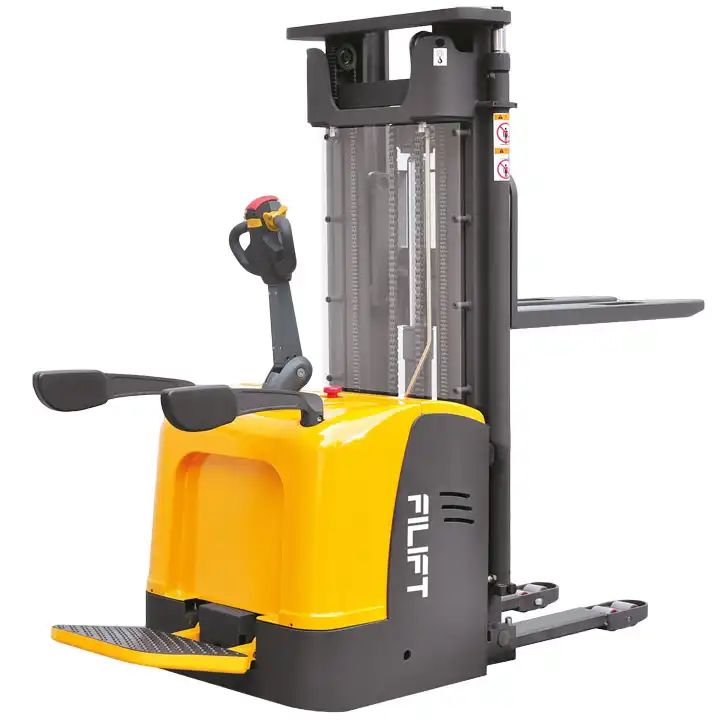
Stackers are used for pallet stacking operations.
Types include:
·Walkie Stacker
·Stand-On Stacker
Pallet Trucks
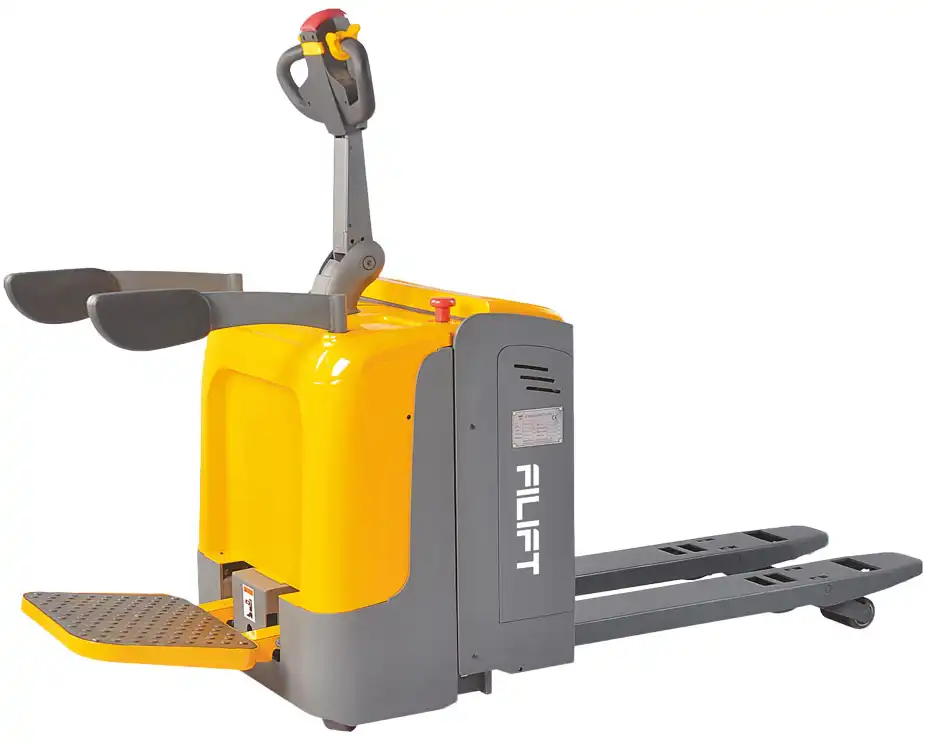
Pallet trucks are used for horizontal pallet transportation.
Types include:
·Walkie Pallet Truck
·Stand-On Pallet Truck
Tow Trucks
Designed to pull trailers, carts, and material trains inside factories and warehouses.
Conclusion
There is no single answer to the question, "How many types of forklifts are there?"
According to OSHA, forklifts are divided into seven classes for safety and regulatory purposes. However, in real-world material handling operations, forklifts are more commonly categorized by power source, structure, application, and drive system.
From a practical perspective, forklifts can be grouped into three main categories:
·Internal Combustion Forklifts
·Electric Forklifts
·Electric Warehouse Trucks
Understanding these classifications can help buyers choose the most suitable forklift for their working environment, load requirements, and operational needs.